
Salt Cabin for Home: What to Plan Before You Buy
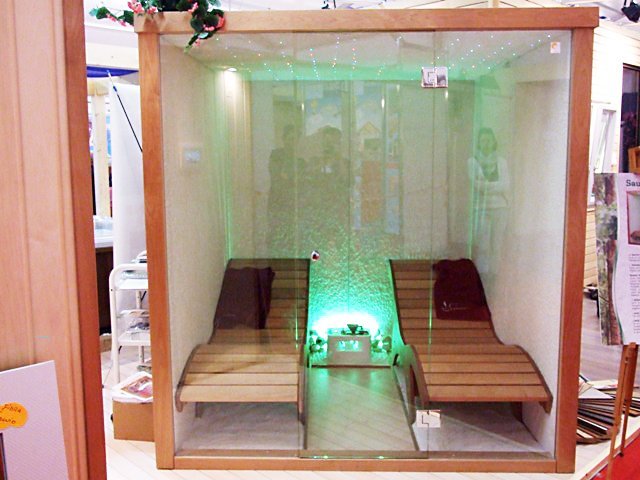
A salt cabin for home is not simply a small room lined with salt blocks. Its performance depends on the controlled delivery of dry salt aerosol, a comfortable enclosed environment, and construction choices that can withstand regular use. For homeowners who want a dedicated wellness space rather than an occasional spa visit, planning these elements before purchase makes the difference between an attractive feature and a practical long-term installation.
A well-designed home cabin can support a quiet routine for relaxation and respiratory comfort without requiring a large property. However, the right solution depends on available space, the number of users, the desired finish, and whether the priority is compact equipment or a fully finished salt environment.
Why Choose a Salt Cabin for Home?
A home salt cabin gives households a private place for regular dry salt therapy sessions. It can suit people who value a structured wellness routine, families seeking a calm shared space, or homeowners building a premium home spa, gym, recovery area, or guest amenity.
Compared with converting an entire room, a prefabricated cabin offers clearer boundaries. The enclosure can be designed around the intended seating capacity, lighting, door placement, and aerosol equipment. This often simplifies installation and helps keep salt therapy separate from humid spaces such as showers, steam rooms, and pools.
The practical advantage is consistency. A dedicated cabin is ready when the user is ready, with no need to rearrange furniture or prepare a multipurpose room. That said, a cabin is not always the best choice. If a property already has an appropriate unused room and the owner wants a larger group setting, a custom salt room may provide more flexibility.
Start With Space, Capacity, and Location
The first decision is not the wall color or salt brick pattern. It is the intended use. A one- or two-person cabin can fit into a home wellness area with a relatively modest footprint, while a family cabin requires more room for seating, door clearance, and comfortable movement.
Measure the installation area carefully, including ceiling height and the route from delivery access to the final location. Corners, staircases, elevators, narrow doors, and finished flooring can affect which cabin design is practical. It is also wise to allow service access for the aerosol generator and electrical connections rather than placing every component tightly against a wall.
Location matters because dry salt environments should remain dry. A basement can work if it is properly finished, heated when needed, and protected from moisture. A spare bedroom, home gym, or dedicated wellness room may be easier to control. Avoid locations exposed to persistent humidity, water leaks, or major temperature swings.
Cabin or Custom Salt Room?
A cabin is generally the more defined, efficient option for a private installation. It creates a contained treatment environment and can be finished as a complete unit with seating, lighting, salt surfaces, and equipment integration. For many homes, this reduces the amount of on-site construction and makes the project scope easier to manage.
A custom salt room is better suited to owners with larger spaces, unusual layouts, or a specific interior concept. It can accommodate more users and blend into a broader wellness design, but it requires closer coordination between the salt therapy supplier, contractor, electrician, and interior team. The room itself must also be suitable for a dry aerosol environment.
Decorative Salt Is Not the Same as Aerosol Delivery
Salt walls, salt panels, and illuminated salt features create atmosphere, but they do not replace a dry salt aerosol generator. The functional core of a salt cabin is the halogenerator, which grinds pharmaceutical-grade dry salt into fine particles and introduces them into the cabin air in a controlled manner.
This distinction should guide the purchase decision. A cabin can look convincing while lacking the equipment needed for dry salt therapy. Conversely, an effective system does not require excessive decoration. The goal is an appropriately sized cabin paired with an aerosol generator selected for its volume and expected use.
Ask how the equipment is matched to the cabin size, where it will be installed, and how salt is loaded and maintained. Equipment can be integrated discreetly, but it should remain accessible for routine operation and service. For a home user, simplicity matters: controls should be understandable, session settings should be repeatable, and maintenance requirements should be clear from the beginning.
Design for Comfort, Not Just Appearance
People are more likely to use a home wellness feature when it feels comfortable and easy to enter. Seating should support the expected session length, whether that means upright benches, reclining chairs, or a combination of both. Consider how many people will realistically use the cabin at one time rather than designing only for occasional visitors.
Lighting has an outsized effect on the experience. Warm indirect lighting can make salt surfaces more visually appealing and create a calmer setting, while adjustable lighting gives the space more than one use. A cabin intended for quiet individual sessions may benefit from a softer, more enclosed design. A family-oriented installation may need brighter entry lighting and more durable seating finishes.
Salt finishes should be chosen with the whole room in mind. Backlit salt panels offer a clean architectural appearance. Salt brick walls create more texture and visual depth. Loose salt flooring can add a traditional salt-cave impression, but it also changes cleaning needs and should be planned carefully around entry areas and seating.
Ventilation, Moisture, and Electrical Planning
A dry salt cabin needs a stable environment. Standard HVAC planning should account for the cabin location, local climate, and how the surrounding area is used. Excess moisture is the main issue to avoid because salt readily absorbs it. The cabin should not share air conditions with a steam room or be placed where wet towels, pool traffic, or shower vapor are constant factors.
Ventilation should support air quality without disrupting the intended aerosol concentration during a session. This is a technical detail worth discussing early with the supplier and installer. The solution may differ between a compact enclosed cabin and a larger salt room.
Electrical planning should be completed before installation. The aerosol generator, lighting, and any optional controls need suitable power access. Concealed wiring can improve the finished appearance, but access for inspection and service should not be sacrificed. If the project is part of a new build or renovation, coordinate these details before walls and finishes are closed.
What Daily Ownership Looks Like
Home salt therapy systems are designed for repeat use, but they are not maintenance-free décor. The owner should understand the normal routine: loading the specified salt, checking equipment status, keeping the cabin dry and clean, and following the manufacturer’s service guidance.
Cleaning should be gentle and appropriate for salt surfaces, wood, glass, and seating materials. Wet cleaning methods inside the cabin should be limited because unnecessary moisture can affect the environment and salt finishes. A practical entry mat and a simple rule against bringing drinks into the cabin can reduce cleaning work significantly.
Long-term reliability also depends on choosing a manufacturer that can provide documentation, spare-part support, warranty coverage, and technical guidance after delivery. IIRIS Salt Therapy brings more than 25 years of category experience to dry salt aerosol equipment and turnkey salt environments, which matters when a private project requires more than a decorative installation.
Questions to Settle Before Requesting a Quote
Before speaking with a supplier, prepare the basic facts of the project: the room dimensions, ceiling height, photos of the proposed location, available electrical supply, preferred number of users, and desired installation timing. It also helps to state whether the cabin will be used mainly for individual sessions, family use, or as part of a larger home spa.
Ask what is included in the proposed scope. A complete home salt cabin may involve the enclosure, salt finish, lighting, seating, halogenerator, controls, delivery coordination, and installation guidance. Clarifying these details prevents gaps between the cabin design and the finished space.
A home salt cabin should feel considered rather than oversized or overly complicated. Start with how the space will actually be used, choose aerosol equipment that fits the cabin volume, and build around dry, serviceable conditions. The result can become a reliable part of a home wellness routine for years, not just a striking feature on the day it is installed.


