
How to Choose a Halotherapy Equipment Supplier
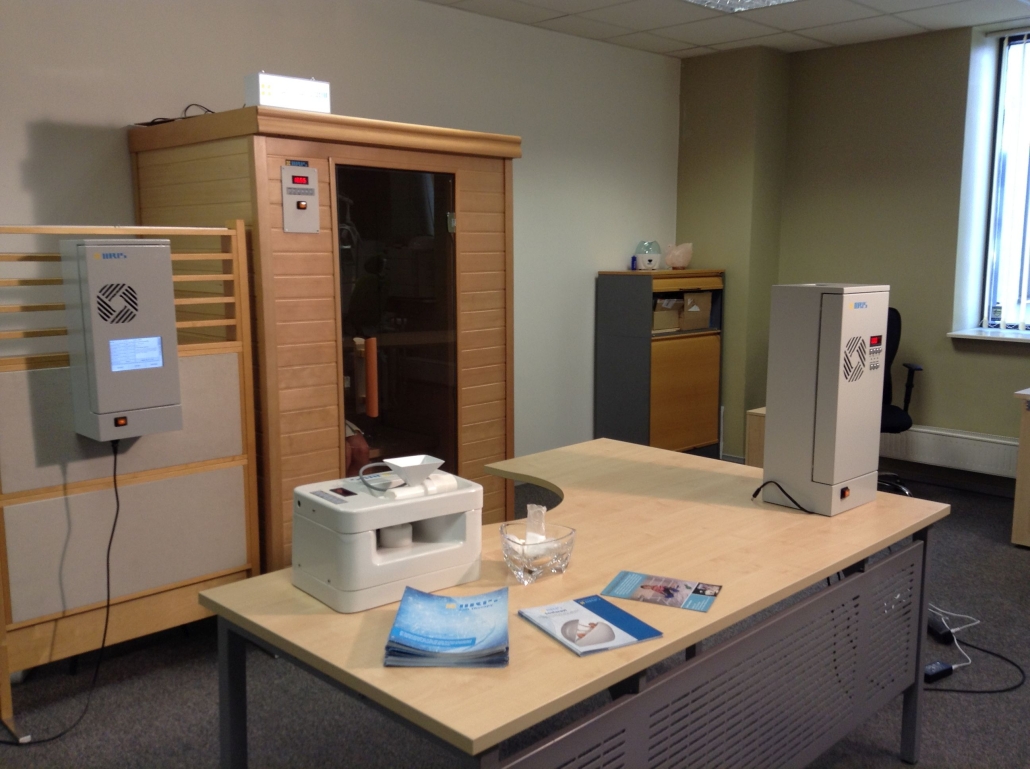
A salt room can look complete long before it is ready to operate. The critical work happens behind the walls and inside the aerosol system: particle delivery, room sealing, material selection, controls, ventilation planning, and ongoing support. That is why selecting a halotherapy equipment supplier is a business decision, not simply a product purchase.
For spa owners, clinic operators, wellness developers, and distributors, the right supplier should help turn a salt therapy concept into a dependable service. The equipment must fit the room, the room must support the equipment, and the finished environment must be practical for staff and guests. A supplier that understands only one part of that chain can create unnecessary risk during installation and operation.
What a Halotherapy Equipment Supplier Should Deliver
A professional halotherapy installation begins with dry salt aerosol generation. The halogenerator is designed to mill pharmaceutical-grade salt into fine particles and disperse them into the treatment space in a controlled way. This is different from decorative salt walls, loose salt on the floor, or a standard humidifier. Those features may contribute to atmosphere, but they do not replace an active dry salt aerosol system.
The supplier should be able to explain how the generator is matched to the room volume, expected occupancy, operating schedule, and intended use. A compact private cabin, a multi-seat wellness room, a salt cocoon, and a child-focused salt area have different practical requirements. One standard recommendation for every project is rarely a good sign.
A capable supplier also considers the broader environment. Salt aerosol has to enter the room effectively, while the space itself must be constructed with surfaces, doors, lighting, ventilation arrangements, and finishes appropriate for a salt therapy setting. The goal is not only an attractive room. It is a service environment that can be operated repeatedly and maintained responsibly.
Start With Your Operating Model
Before requesting equipment specifications, define how the salt therapy service will work in your facility. This gives the supplier the information needed to recommend a realistic system rather than an oversized or undersized solution.
Consider whether salt therapy will be a standalone paid session, part of a spa package, an added amenity for members, or a feature within a clinic or family facility. A gym may need a durable room that supports frequent short sessions. A day spa may prioritize interior presentation and quiet operation. A kindergarten or nursery may require a layout that is easy for staff to supervise and clean. These are operational differences, not cosmetic preferences.
Capacity matters as well. A room designed for two guests has different airflow and scheduling expectations from a room serving six or more guests per session. A supplier should ask about your available floor area, ceiling height, room condition, daily opening hours, desired session duration, and expected number of users. If these questions are not part of the conversation, the recommendation may not be properly engineered for the project.
Evaluate the Equipment, Not Just the Product Image
A halogenerator is the core of an active halotherapy room, so it deserves close attention. Ask how the machine produces and delivers dry salt aerosol, how its settings are adjusted, what routine care is required, and how the system is accessed for service. Staff should be able to understand normal operation without needing specialist training for every session.
Controls should support a consistent guest experience. Depending on the project, this may include adjustable operating parameters, timed sessions, clear status information, and equipment placement that keeps the technical components out of the guest area. The best arrangement depends on the room plan. Some projects benefit from a generator installed outside the treatment room with aerosol delivered through a wall connection, while others need a more compact integrated approach.
It is also worth asking about the salt itself. The supplier should provide clear guidance on the appropriate salt material for the equipment and on the expected handling process. Using unsuitable material can affect performance and increase maintenance needs. A dependable supplier treats consumables, cleaning, and daily procedures as part of the system, not as an afterthought.
Look for Complete Salt Room Construction Capability
Buying a halogenerator and building a salt room through unrelated contractors can work, but it places more coordination responsibility on the buyer. The equipment provider may not be accountable for the construction details, while the contractor may have limited experience with dry salt aerosol environments. That gap can become expensive when installation issues appear late in the project.
A supplier with salt room construction capability can coordinate the technical and aesthetic elements from the beginning. This includes planning the generator location, aerosol entry point, interior surfaces, salt features, seating, lighting, and practical access for maintenance. It also helps ensure the room design does not interfere with the operation of the aerosol system.
There is a trade-off. A turnkey project is not always necessary for a small private installation or a facility with an experienced construction team. However, for commercial operators opening a new service, an integrated approach usually reduces uncertainty. It gives the project a clearer technical owner and helps prevent the common mistake of treating the room design and the aerosol equipment as separate purchases.
Check Proof of Manufacturing Experience
Halotherapy equipment is a specialized category. Buyers should look beyond broad wellness catalogs and ask how long the supplier has been designing and manufacturing salt therapy systems. Established experience matters because product development often comes from real installations, service cases, varying room sizes, and customer feedback over many years.
Useful proof points include the number of systems delivered, the countries served, the range of project types completed, and whether the company has its own named product systems. A supplier with international experience is more likely to understand export documentation, packaging, remote installation coordination, and the realities of supporting customers across time zones.
IIRIS Salt Therapy, for example, has worked in the category since 1998, introduced the registered IIRIS brand in 2002, and has supplied more than 2,000 halogenerators for projects in over 30 countries. Those details matter because they indicate long-term specialization rather than a short-term addition to a general wellness product line.
Ask Direct Questions About Support and Warranty
A salt therapy room creates a long-term operating commitment. The purchase is only the beginning. Before choosing a supplier, establish what happens after delivery, during installation, and years into regular operation.
Ask who will provide setup guidance, whether documentation is available in clear English, how replacement parts are handled, and what warranty coverage applies. For international buyers, confirm how service requests are managed remotely and whether the supplier can advise local contractors during installation. A 24-month warranty provides useful reassurance, but the quality of communication behind that warranty is equally important.
You should also ask about project support before the order is finalized. A serious supplier should be willing to review room dimensions, discuss a proposed layout, identify technical constraints, and recommend a suitable equipment category. This consultation can prevent a poor fit between the room and the generator before construction begins.
Choose a Supplier That Can Grow With the Project
Some facilities begin with one salt cabin or a small treatment room and expand after demand is proven. Others open with a larger salt cave as part of a complete spa development. In either case, it helps to work with a supplier whose product range supports different stages of growth.
For commercial use, that may include halogenerators, salt cabins, salt cocoons, salt therapy tents, salinizers, and professionally built salt rooms. For specialized markets, options for private use, horses, and pets may also matter. The advantage is consistency: one manufacturer can advise on equipment choices, supplies, service expectations, and future additions.
Distributors should consider this especially carefully. A partner with an established product family and international fulfillment capability gives resellers more than a single item to represent. It provides a clearer platform for serving spa, wellness, fitness, and child-focused customers with different space and capacity needs.
A Better Purchase Decision Starts With a Better Brief
The most useful quote request includes room measurements, photographs or plans, your location, target capacity, intended users, and whether you need equipment only or a complete salt room solution. This allows the supplier to respond with practical recommendations instead of generic specifications.
Choose the partner that asks informed questions, explains the technical reasoning, and remains available after the equipment leaves the factory. A well-planned salt therapy environment can become a distinctive part of your facility. It deserves a supplier prepared to support the work behind the experience.


