
Is a Portable Salt Therapy Tent Right for You?
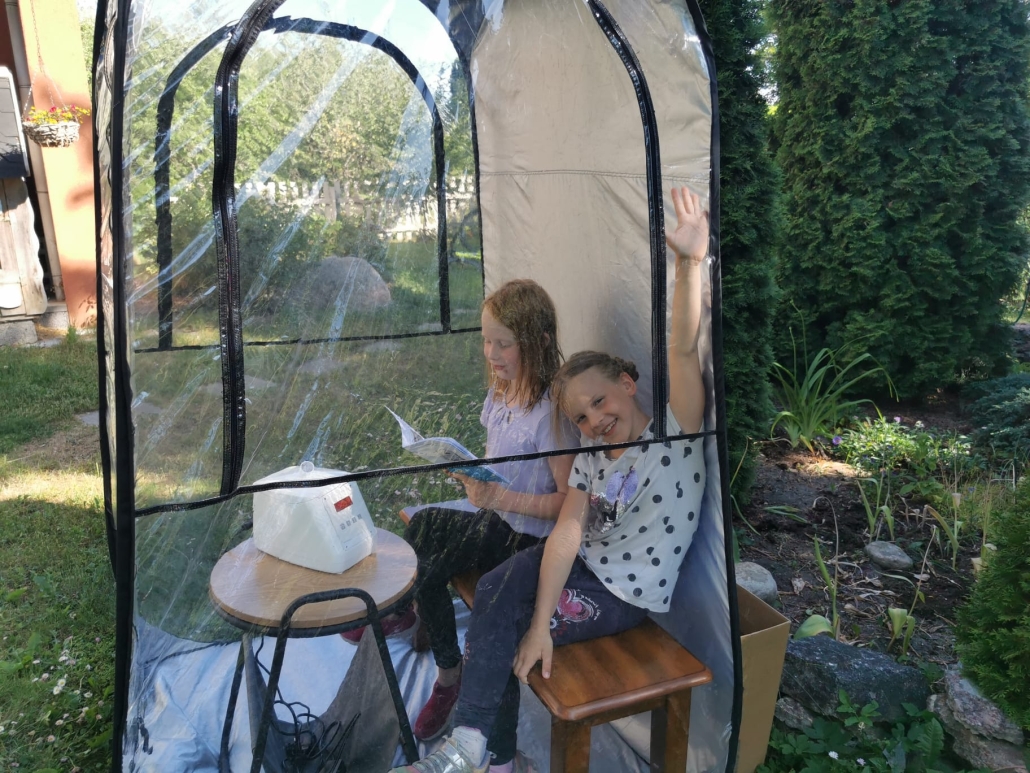
A treatment room sitting empty between appointments is not always a reason to start a major renovation. For many operators, a portable salt therapy tent is a practical way to test demand for halotherapy, extend an existing wellness menu, or bring dry salt aerosol sessions to a location where permanent construction is not yet justified.
The key is to view the tent as a controlled therapy environment, not simply as a fabric enclosure with salt-themed decoration. Its value depends on the quality of the dry salt aerosol, the fit of the equipment to the enclosure, and the operator’s ability to run consistent sessions. When those elements are planned correctly, a portable format can become a useful commercial service with a modest physical footprint.
What a portable salt therapy tent is designed to do
A portable salt therapy tent is an enclosed or semi-enclosed structure used with a dry salt aerosol generator, commonly called a halogenerator. During a session, the generator disperses finely milled dry salt aerosol into the occupied space. The enclosure helps contain the aerosol and creates a more predictable session environment than an open treatment area.
This is different from placing salt lamps, loose salt blocks, or decorative wall panels in a room. Those elements may create a visual atmosphere, but they do not generate a controlled dry salt aerosol. For an operator offering halotherapy sessions, the aerosol generator is the core working component. The tent is the flexible treatment space around it.
Portable systems are often considered by spas, fitness centers, clinics, child-focused facilities, and wellness entrepreneurs that need to preserve usable floor space. They can also suit pop-up wellness concepts, seasonal locations, and facilities that want to introduce salt therapy before investing in a dedicated salt room or salt cave.
Where a portable salt therapy tent makes commercial sense
A permanent salt room can be a strong long-term asset, particularly for a high-volume wellness center with established demand. It creates a dedicated destination within the facility and can support a larger capacity. But construction requires planning, suitable premises, and a commitment to one location.
A portable solution is more appropriate when flexibility has real operational value. A spa may use one room for several services and set up the tent only for scheduled salt therapy sessions. A gym may wish to add a recovery-focused offering without sacrificing a group training area. A new operator may want attendance data before committing to a full build-out.
The format also works well where a compact, individual session is preferable. An enclosed tent can provide a private setting for guests who do not need a larger shared room. That can simplify scheduling and help an operator develop a clear service model around one-person or small-capacity sessions.
There are trade-offs. A tent will not provide the architectural presence of a finished salt cave, and its capacity is typically lower than a custom room. It needs to be assembled, cleaned, inspected, and positioned so that staff can operate it safely and conveniently. The right choice depends on expected session volume, available space, and whether portability is a temporary requirement or a permanent part of the business model.
The halogenerator determines session quality
The most important purchasing question is not only how the tent looks or how quickly it can be installed. It is whether the halogenerator is properly matched to the enclosure and the intended use.
A professional dry salt aerosol generator is designed to mill and disperse salt particles into the therapy space. Generator output, session duration, airflow, and enclosure volume must work together. A unit selected for a small individual tent may not be appropriate for a larger cabin, while an oversized system can make daily operation unnecessarily complex.
Ask the manufacturer how the system is configured for the specific tent model. The answer should cover the recommended room or enclosure volume, controls, salt consumption, maintenance requirements, and operating process. Clear guidance matters because consistency is what allows an operator to offer sessions with confidence.
IIRIS Salt Therapy has worked with halotherapy equipment and complete project environments since 1998, so the discussion can extend beyond one product. A supplier should be able to help determine whether a portable tent, salt cocoon, cabin, or constructed room is the better fit for the intended facility.
Plan the tent as part of the facility, not an isolated product
A portable tent may be movable, but it still needs a considered installation plan. Start with the room where it will operate. There should be enough clear space for the tent itself, guest entry, staff access, seating if used, and the generator arrangement. Staff should be able to inspect the equipment and clean the area without moving furniture or blocking a corridor.
The surrounding room conditions also matter. The equipment needs a suitable power supply and a stable, clean location. Follow manufacturer requirements for ventilation and placement. Avoid treating the tent as something that can be installed in any available corner without checking how the aerosol system, room airflow, and staff workflow will function together.
Guest experience should be planned at the same time. Consider how a visitor arrives, where they leave personal items, how they receive instructions, and how the session is timed. For a spa, a quiet room and calm transition from reception can reinforce the service. For a gym or wellness center, a straightforward booking and turnover process may matter more than extensive décor.
Operating standards protect the investment
Portable equipment earns its place through reliable use, not merely through a low construction requirement. Assign responsibility for opening checks, salt loading, cleaning, session setup, and periodic maintenance. A short operating procedure is especially useful when several team members run sessions.
The tent material, seating, flooring, and generator exterior should be maintained according to the supplier’s instructions. Salt aerosol is central to the service, which means housekeeping cannot be treated as an afterthought. Good cleaning routines support presentation, equipment longevity, and a professional guest experience.
Training should cover more than turning the generator on and off. Staff need to understand session timing, guest guidance, capacity limits, and when to pause operation for inspection or service. For multi-site businesses, standardized procedures make it easier to maintain a consistent offering across locations.
Warranty coverage and technical support deserve the same attention as the enclosure design. Professional buyers should ask who provides support after delivery, what parts and service procedures are available, and whether the supplier has experience shipping internationally. These questions become more significant when equipment will operate daily as a revenue-generating service.
Positioning salt therapy without overcomplicating the message
For customers, the offering should be easy to understand. Many wellness businesses position dry salt aerosol sessions around respiratory comfort, relaxation, skin concerns, seasonal allergies, and general wellness routines. Keep claims responsible and avoid presenting the service as a replacement for medical care.
The commercial message can be equally direct: a quiet, scheduled session in a dedicated dry salt aerosol environment. Explain what the guest can expect, how long the session lasts, and what to wear or bring. If the service is new to the local market, staff confidence and a simple explanation will often convert more interest than technical jargon.
A portable setup can also make it easier to test different operating models. Some facilities include sessions in memberships, while others offer them as individual appointments or add-ons to massage, recovery, or spa packages. Track bookings, repeat visits, peak periods, and staff time for several months. Those figures will show whether the tent is meeting its role or whether demand supports a larger installation.
Questions to answer before requesting a quote
Before speaking with a manufacturer, define the size and purpose of the service. Will the tent serve one guest at a time or a small group? Is the goal a permanent compact service, a trial before building a room, or a mobile concept? How many sessions per day are realistic, and who will operate the equipment?
Also confirm where the system will be installed and whether the location has the required access, power, and operating conditions. Share photographs or a simple floor plan when possible. This gives the supplier a better basis for recommending a suitable configuration rather than offering a generic setup.
A portable salt therapy tent is most effective when it solves a real space or business problem. Chosen with the right halogenerator, operating plan, and manufacturer support, it can give a facility a credible entry point into professional halotherapy while keeping future options open.


