
Salt Therapy Business Startup Planning Guide
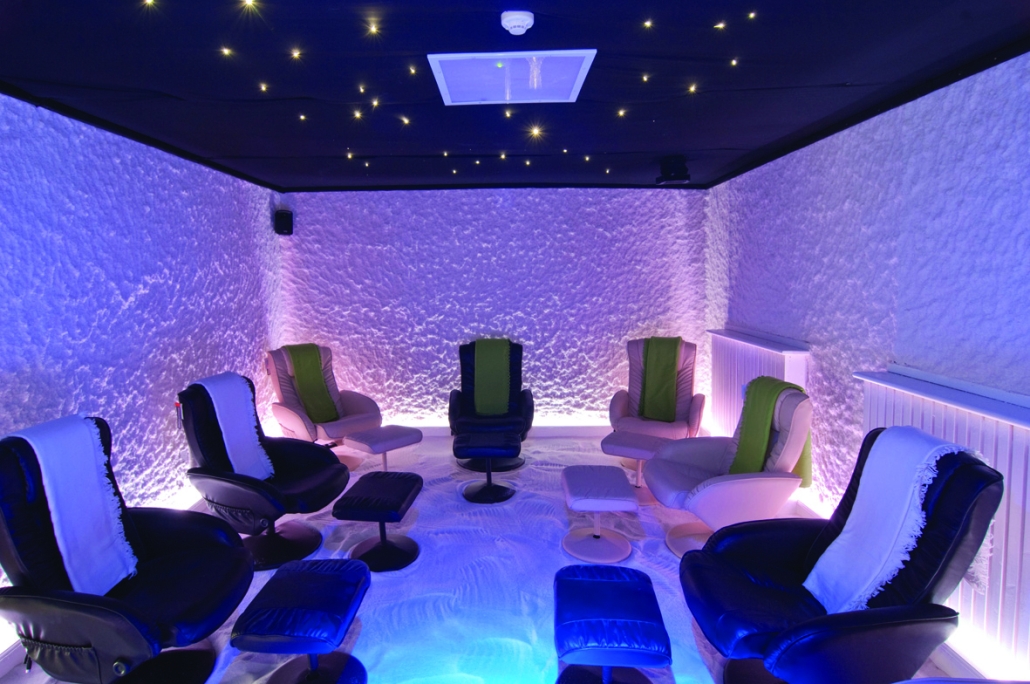
A salt room that looks complete but cannot deliver a consistent dry salt aerosol session will disappoint operators and guests alike. A successful salt therapy business startup begins with a commercial decision: what service will you offer, who will use it, and how will the room operate reliably day after day?
Salt therapy can become a distinctive addition to a spa, wellness center, gym, clinic, or child-focused facility. It can also support a dedicated halotherapy concept. However, the business case depends on more than attractive salt walls. Room design, aerosol equipment, session scheduling, ventilation, maintenance access, and supplier support all affect the guest experience and the long-term operation.
Salt Therapy Business Startup: Choose the Right Model
Start by defining whether salt therapy is a stand-alone revenue center or an added service within an existing facility. A stand-alone concept needs enough local demand, clear market positioning, and a practical plan for filling sessions throughout the week. An established spa or wellness center can often introduce salt therapy as part of a broader service menu, using it to increase visit duration, memberships, and return appointments.
The intended audience should shape the environment. A quiet adult wellness room may prioritize reclining chairs, soft lighting, and a calm interior. A family-oriented space needs durable finishes, an easy-to-clean layout, and a format that accommodates shorter, more active sessions. Gyms may position halotherapy as a recovery and relaxation offering, while clinics and wellness practices may prefer a professional, understated room integrated with existing client flow.
Capacity is another early decision. A private salt cocoon or compact cabin can suit individual sessions and limited floor space. A larger salt room can support group sessions, memberships, and higher utilization when demand is established. Bigger is not automatically better. An oversized room with inconsistent bookings creates avoidable operating pressure, while a well-planned smaller installation can establish demand before expansion.
Build the Business Case Around Utilization
The useful number is not simply how many people fit in a room. It is how many paid sessions the operation can realistically deliver each day without compromising cleaning, staff duties, guest check-in, or room turnover.
Map a typical operating day before selecting the room size. Consider session length, the time needed between sessions, opening hours, peak demand, and whether the room will be used for private bookings, group bookings, or both. A 30- to 45-minute session may look simple on paper, but the complete guest journey includes arrival, orientation, seating, payment, and preparation for the next group.
Revenue planning should be conservative at launch. Memberships can create more predictable recurring income, while single visits, packages, private bookings, and partnerships with nearby businesses can broaden the customer base. The right mix depends on your location and customer behavior. In a destination spa, individual sessions may fit naturally. In a neighborhood wellness center, repeat-use packages and memberships may be more important.
Avoid building the plan on health promises. Salt therapy is commonly offered as a wellness experience connected with relaxation, respiratory comfort, and skin-focused routines. Present the service responsibly and consistently, with staff trained to explain the experience without overstating outcomes.
The Halogenerator Is the Operational Core
A professional salt room needs more than salt-covered surfaces. The central functional component is the dry salt aerosol generator, often called a halogenerator. This equipment grinds pharmaceutical-grade salt into fine particles and distributes dry salt aerosol into the treatment environment according to the required operating settings.
Decorative salt blocks, salt panels, and loose salt on the floor can create a strong visual atmosphere, but they do not replace controlled aerosol production. For a commercial installation, the equipment must be matched to the room volume, intended occupancy, and use pattern. Selecting a unit designed for a much smaller room can lead to uneven performance. Selecting equipment without considering service access and operating controls can make routine management harder than it needs to be.
Ask practical questions before purchasing. How is the equipment installed? Where will it be located? Can staff access it for refilling and routine checks without entering the guest space? What warranty applies? Is technical support available after installation? Can the supplier support projects in your country and provide clear operating documentation?
IIRIS Salt Therapy brings together dry salt aerosol generators, salt cabins, cocoons, tents, salinizers, and complete salt-room construction, which can simplify coordination for operators who prefer one specialized project partner rather than separate equipment and construction sources.
Design the Room for Use, Not Just First Impressions
Salt-room construction should support the technical system and the daily work of the operator. That starts with a room envelope suited to salt exposure, appropriately selected finishes, protected electrical elements, and a layout that allows for cleaning and maintenance. Salt is not a conventional interior material, so ordinary design assumptions may not apply.
The guest area should feel intentional without becoming difficult to manage. Seating must fit the planned occupancy while leaving sufficient space for staff and guests to move comfortably. Lighting should support relaxation and safe access. If music or guided sessions are part of the concept, consider acoustics early rather than treating them as a final decorative detail.
Ventilation requires equally careful planning. The system must support a controlled session environment and fit the building’s technical conditions. Existing HVAC arrangements, adjacent rooms, humidity levels, and the proposed equipment location should be reviewed before construction begins. Retrofitting these details after finishes are installed is usually more disruptive and more expensive.
A salt cabin or salt cocoon may reduce the construction scope in sites with limited space or complex building conditions. A custom salt room offers greater flexibility for group capacity and brand presentation. The better choice depends on your operating model, not on appearance alone.
Plan the Guest Journey and Daily Workflow
The best equipment cannot compensate for an unclear guest process. Decide how guests book, check in, receive instructions, store personal items, and enter the session. First-time visitors often need a brief, confident explanation of what to expect, including session duration, room etiquette, and practical comfort considerations.
Staff training should cover operation of the halogenerator, session setup, cleaning procedures, basic troubleshooting, and appropriate guest communication. Keep the process simple enough that more than one team member can operate the service correctly. If salt therapy depends on a single trained employee, the business becomes vulnerable during busy periods, vacations, or staff turnover.
Maintenance deserves a place in the opening plan, not a note added later. Establish who checks the equipment, how salt supplies are stored, what is recorded after servicing, and how warranty questions are handled. A supplier with defined support procedures and international delivery experience can reduce downtime when the business is far from the manufacturer.
Compliance, Site Conditions, and Project Timing
Before committing to a lease or construction schedule, confirm local requirements for renovation, electrical work, ventilation, occupancy, accessibility, fire safety, and business operation. Requirements differ by city, building type, and intended use. A facility inside an existing spa may have different considerations than a new stand-alone location.
Coordinate the project in the right order. First confirm the site and operating model. Then define room size, equipment placement, ventilation approach, electrical needs, finishes, and construction scope. Ordering equipment before these decisions are settled can create delays or require design changes that could have been avoided.
For international projects, allow time for manufacturing, shipping, import procedures, site preparation, and installation. A dependable project schedule includes room for inspection, staff training, and a controlled opening rather than assuming that delivery day is opening day.
Turn the Installation Into a Repeat-Visit Service
Marketing should show people what the experience is, not only what the room looks like. Professional photography is useful, but clear descriptions of session formats, booking options, room capacity, and the overall wellness setting help prospective guests decide whether the service fits their routine.
Launch with a focused offer that matches your business model. A spa may introduce salt therapy alongside massage or relaxation packages. A gym may build it into selected memberships. A dedicated center may begin with introductory sessions and convert satisfied guests into packages. Track bookings by day, session type, and customer source so you can adjust opening hours and promotions based on real demand.
The most durable salt therapy businesses treat the room as an operating system, not a decorative project. When the facility, equipment, staff workflow, and guest experience are planned together, salt therapy has a stronger chance to become a reliable reason for customers to return.

