
Dry Salt Therapy Equipment for Professional Spaces
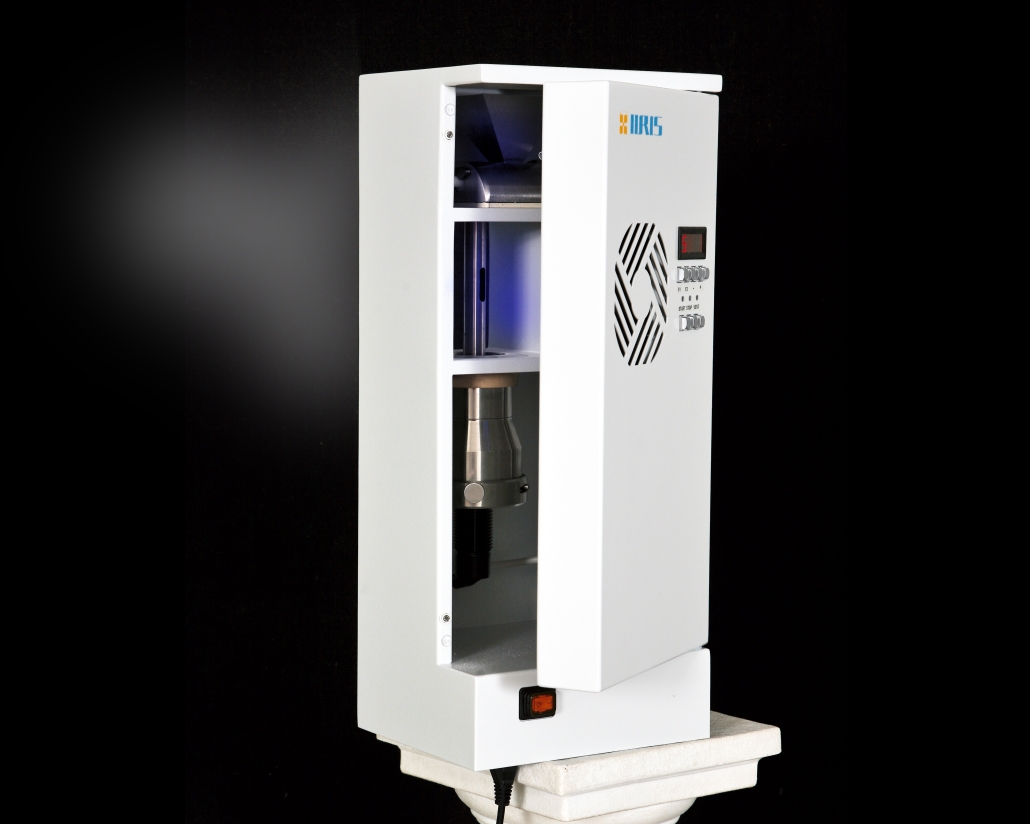
A salt wall may define the atmosphere of a halotherapy room, but dry salt therapy equipment determines whether the space delivers a controlled dry salt aerosol session. For spa owners, clinic managers, gym operators, and wellness developers, that distinction matters. The equipment affects session consistency, room design, staffing requirements, maintenance planning, and ultimately the confidence customers place in the service.
Dry salt therapy is not simply a decorative salt-room concept. A professional installation requires a halogenerator that grinds pharmaceutical-grade dry salt into fine particles and introduces that aerosol into a prepared environment. The goal is a clean, comfortable setting where guests can relax while incorporating salt therapy into respiratory-focused and skin-focused wellness routines.
What Dry Salt Therapy Equipment Does
The central component in a professional setup is the dry salt aerosol generator, commonly called a halogenerator. It processes dry salt and disperses a measured amount of fine aerosol into the therapy room. This is different from humid salt-air systems, salt lamps, or passive salt décor. Those products may contribute to an interior concept, but they do not provide controlled dry aerosol generation.
For an operator, controllability is the practical advantage. Session duration, aerosol output, and operating mode should be selected according to the room volume, ventilation conditions, and intended use. A small private cabin has different requirements from a multi-seat salt room in a spa or wellness center. Equipment should be specified for the actual space, rather than chosen only by appearance or maximum claimed capacity.
A well-planned system also separates technical operation from the guest experience. The generator may be installed outside the room or in a service area, with aerosol delivered through a suitable wall connection. This approach keeps the treatment space quieter, cleaner in appearance, and easier to manage during operating hours.
Selecting Dry Salt Therapy Equipment by Application
The right configuration depends first on how the business intends to use the service. A standalone halotherapy studio may need several rooms with different capacities. A hotel spa may add one salt room as part of a broader wellness circuit. A kindergarten, nursery, or child-focused facility may require a compact, easy-to-supervise environment with durable finishes and straightforward operating procedures.
Commercial Salt Rooms and Salt Caves
A commercial salt room is often the most flexible format. It can accommodate individual visitors, couples, families, or scheduled small groups, depending on its layout. The halogenerator must be matched to the usable room volume, not only the floor area. Ceiling height, seating, wall finishes, air movement, door openings, and adjacent HVAC systems all affect performance.
Salt caves and heavily themed rooms require additional planning. Salt bricks, illuminated panels, salt-covered surfaces, and decorative features can create a strong visual impression, but they should not interfere with the room’s technical design. Aerosol distribution, service access, and moisture control remain more important than decoration. A visually impressive room that is difficult to clean or maintain can become an operational burden.
Salt Cabins, Cocoons, and Tents
For operators with limited space, a salt cabin, cocoon, or tent can offer a more compact route to introducing salt therapy. These formats are useful where a full room build is not practical or where the operator wants a dedicated individual service. They can also support phased development: begin with a smaller unit, validate demand, then expand into a larger room when the business case is established.
The trade-off is capacity. Compact equipment can reduce construction scope and simplify installation, but it serves fewer people per session. A higher-traffic spa may benefit more from a properly designed group room, while a boutique studio may prefer the privacy and focused experience of an individual cocoon or cabin.
Private, Pet, and Equine Environments
Dry salt aerosol systems can also be specified for private wellness spaces, pets, and horses. These projects require a different approach to room sizing, user behavior, and cleaning routines. In animal environments especially, the equipment should be selected with practical access, stable operation, and the conditions of the specific facility in mind.
Room Preparation Is Part of Equipment Performance
A halogenerator cannot compensate for an unsuitable room. Before installation, assess the room envelope, ventilation, electrical supply, seating plan, and likely traffic flow. The space should be dry, cleanable, and designed so that normal operation does not repeatedly disrupt the session environment.
Ventilation deserves particular attention. A therapy room needs a defined approach to air exchange between sessions, but uncontrolled airflow during a session can affect aerosol concentration and distribution. Existing HVAC systems may need adjustment, isolation, or coordination with the salt-room design. This is one reason turnkey planning can be more dependable than purchasing a machine without reviewing the room around it.
Material selection also matters. Salt aerosol settles on surfaces over time, so interior finishes should be appropriate for regular cleaning and the expected environment. Electrical elements, lighting, speakers, and furniture must be chosen and positioned with service life in mind. A room should look refined on opening day and remain practical after hundreds of sessions.
Questions to Ask Before You Request a Quote
A productive equipment discussion starts with operational facts. Share the proposed room dimensions, ceiling height, intended number of guests, location of the equipment, available power, and whether the room is new construction or a renovation. These details allow the supplier to recommend a suitable system rather than a generic model.
It is also useful to define the commercial role of the service. Will salt therapy be sold as an individual appointment, included in a membership, offered alongside massage or sauna services, or used as a family wellness activity? The answer influences seating capacity, session scheduling, access control, and the level of finish required.
Ask how the equipment is commissioned, how operators are trained, what routine maintenance is expected, and what warranty support covers. For international projects, confirm shipping arrangements, installation guidance, and access to replacement parts. These are not secondary details. They determine whether a new service can operate consistently after launch.
Reliability Matters More Than Feature Lists
When comparing dry salt therapy equipment, buyers can be tempted by long feature lists or a low initial project scope. A more useful comparison looks at the complete operating picture: aerosol-generation capability, construction quality, fit for the room, clear controls, manufacturer support, warranty coverage, and the availability of technical guidance.
An established manufacturer should be able to discuss both the equipment and the environment where it will operate. That experience is especially valuable when a project includes a custom salt room, cabin, or cave rather than a standard installation. IIRIS Salt Therapy has worked in this category since 1998, combining halogenerator manufacturing with salt-room construction and project support for customers in more than 30 countries.
For distributors and developers, product range is equally relevant. A supplier that can provide generators, cabins, cocoons, tents, salinizers, and room-construction expertise gives partners more ways to meet different customer requirements without changing the technical foundation of the offering.
Plan for Daily Operation, Not Just Opening Day
The best equipment choice is one that fits the team responsible for it. Staff should understand how to start and end sessions, replenish approved salt, follow cleaning procedures, inspect the room, and recognize when technical support is needed. Clear routines protect the guest experience and help preserve the equipment over time.
Consider the customer journey as well. Guests need an easy explanation of what the session involves, how long it lasts, and what kind of wellness experience to expect. Avoid overstating outcomes. A professional salt therapy service can be presented as a calm, dry aerosol environment that supports relaxation and respiratory comfort routines, while respecting the individual nature of wellness results.
A successful installation begins with the right room and continues with dependable operation. Choose equipment that can be properly matched to your space, supported after delivery, and integrated into the service model your customers will actually use.


